|
We laugh, get angry and frown, cry, concentrate, and squint. As we show emotions our facial muscles contract and our skin creases. We get older and our skin loses its elasticity and those creases extend into lines and then become permanently etched on our faces.
Who likes frown lines between the eyes? especially at a relatively young age…. It makes you look angry or worried even when you’re not. So what is the solution? There are several available in cosmetic field.
Injections can smooth out those lines, restoring a more youthful, less stressed expression to your face by immobilizing muscles, similarly to
Anti-wrinkle Injections.
What are Anti-wrinkle Injections?
It was developed by Ipsen Biopharm Ltd. It is an acetylcholine release inhibitor and a neuromuscular blocking agent.
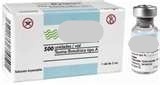
Treatments indicated for:
- the treatment of adults with cervical dystonia to reduce the severity of abnormal head position and neck pain
- the temporary improvement in the appearance of moderate to severe glabellar lines associated with procerus and corrugator muscle activity in adult patients <65 years of age
Glabellar facial lines arise from the activity of the lateral corrugator and vertical procerus muscles. These can be readily identified by palpating the tensed muscle mass while having the patient frown. The corrugator depresses the skin creating a "furrowed" vertical line surrounded by tensed muscle (i.e., frown lines).
The location, size, and use of the muscles vary among individuals. Physicians administering
in
Melbourne must understand the relevant neuromuscular and/or orbital anatomy of the area involved and any alterations to the anatomy due to prior surgical procedures.
Who can treat with Product 2?
Product 2 is a prescription medicine which contains clostridium complex. It should be
administered only by medical professionals, who have an excellent understanding of the muscles and expressions of the face and the
skill to retain your natural expression while removing the signs of aging.
You must tell your doctor what you expect to achieve in advance, be guided by their advice and ensure you are being treated by a specialist who has been properly trained in the use of. If you have side effects or concerns speak to your doctor.
D™ treatment lasts about three or four months. However if you have a very fast metabolism or exercise a lot it will last a shorter period of time.
What You Need To Know About different cosmetic Injections
There are 2 popular cosmetic Injection products on the
market today. Both of them contain same active ingredient and
are injected in the same way. Both work by temporarily immobilizing muscles, which reduces lines and furrows.
Product 2 is injected around expression lines -- the creases caused by frowning, scowling, smiling or looking surprised -- to diminish their appearance or keep them from forming.
The three most common areas for Product2 injections are between the eyebrows, the forehead and next to the eyes, where "crow's feet" form.
Product 2 has fewer proteins surrounding the toxin and so should stimulate a weaker immune response to break down the toxin. This may make it a good choice for patients who find
Product 1 no longer works because their body has developed antibodies.
Even though injections are very similar and act in the same way here are some points taken from various cosmetic forums when compared:
- There are some claims that Product 2 works faster and lasts longer. However majority say that both Cosmetic Injections
take between one and three weeks to show their full
effect. The longevity depends on how many units injected
but is about the same with both
- Higher chance of nausea and headaches with
Product 2 than Product 1
- Product 2 disburses more which is good and bad. It
could be potentially risky around the eyes and eyebrows
with higher chance of eyebrow/eyelid droops. However,
when doing the forehead and glabella, gives a more
natural and relaxed look
Injection Cost
Another key factor is the cost of when comparing. Product
2 is approximately 1/3 the cost of Product 1; however, it is also 1/3 the strength. This means you will need about three times as many units of
Product 2 to get the same results as you would with 1unit of
Product 1.
As a result, the cost of treatment will likely end up being similar What Is the
treatment?
Tiny amounts of muscle relaxant injected directly into the facial muscles underlying the frown lines. It usually takes three to five small, almost painless injections between the eyebrows for an effective treatment.
It's injected by advancing the needle through the skin into the underlying muscle while applying finger pressure on the superior medial orbital rim. Inject patients with a total of 50 Units in five equally divided aliquots. Using a 30 gauge needle, 10 Units injected into each of five sites, two in each corrugator muscle, and one in the procerus muscle
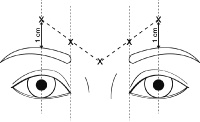
No local anaesthetic is usually required but if you are really concerned your doctor can numb the skin over the area before injecting. Most people do not resort to it as the injecting substance part of the procedure is not actually painful. Expect treatment to take around 10-20 minutes depending on the skill of your doctor.
Over the next few days, the muscles gradually relax. You probably won’t notice it happening – you’ll just become aware that you can’t contract your frown muscles. But because you can still blink normally and raise your eyebrows, you will not look unnatural. Rather, you can enjoy a more youthful appearance while maintaining a natural expression
Risk and side effects
Along with its desired effects, treatments can cause some unwanted effects. This does not happen very often but you still need to be aware of it before you commit to the procedure. The most common side effects are temporary soreness or mild bruising around the injection site. Some people may experience a slight
headache that lasts for several hours after treatment; it is safe to take a mild pain killer to relieve this.
In a very small percentage of cases there can be a complication called "ptosis" (a drooping eyelid) which may last a few days or even up to 4 weeks. Rarely, an allergic reaction can cause a skin rash or "flu like" symptoms. Tell your doctor if you experience any troublesome side effects.
You should not have wrinkle treatment while you are pregnant or breastfeeding, or at all if you have a neuromuscular disease
Safety Information
Contraindications include but are not limited to
- Hypersensitivity to any muscle relaxant product or excipients
- Allergy to cow’s-milk protein
- Infection at the proposed injection site(s)
The most frequently reported adverse events (≥2%) are nasopharyngitis, headache, injection site pain, injection site reaction, upper respiratory tract infection, eyelid edema, eyelid ptosis, sinusitis and nausea.
Other reported side effects include local numbness, swelling, bruising or a burning sensation during injection. These side effects can be mitigated by placing ice on the injection site before and after the procedure
Product 2 FACTS
It's a protein extracted from the bacterium clostridium toxin. It is purified from the culture supernatant by a series of precipitation, dialysis, and chromatography steps. The neurotoxin complex is composed of the neurotoxin, hemagglutinin proteins and non-toxin non-hemagglutinin protein. This protein was initially used for the treatment of motor disorders and various kinds of involuntary muscular spasms, including cerebral palsy. It was further developed to treat a wide variety of neuromuscular disorders, for which it is licensed in over 60 countries.
It has registration approval for the treatment of frown lines and for excessive sweating under the armpits. Many doctors use it successfully to treat
migraines.
Product 2 is supplied in a single-use, sterile vial for reconstitution intended for intramuscular injection. Each vial contains 500 or 300
units of toxin, 125 micrograms human serum albumin and 2.5 mg lactose.
It may contain trace amounts of cow's milk protein.
CLINICAL STUDIES
In placebo-controlled clinical trials of Product 2, the most frequently reported adverse events (≥2%) following injection were nasopharyngitis, headache, injection site pain, injection site reaction, upper respiratory tract infection, eyelid edema, eyelid ptosis, sinusitis and nausea.
Adverse events that emerged after repeated injections in 2–3% of the population included bronchitis, influenza, pharyngolaryngeal pain, cough, contact dermatitis, injection site swelling, and injection site discomfort.
The incidence of eyelid ptosis did not increase in the long-term safety studies with multiple re-treatments at intervals ≥ three months. The majority of eyelid ptosis events were mild to moderate in severity and resolved over several weeks.
There were no adequate and well-controlled studies in pregnant women.
It should be used during pregnancy only if the potential benefit justifies the potential risk to the fetus. General rule is not to use it on pregnant females.
It is not known whether is excreted in human milk but it is probably a good idea not to use it on breastfeeding women.
It's not recommended for use in pediatric patients less than 18 years of age.
Of the total number of subjects in the placebo-controlled clinical studies of
Product 2, 8 (1%) were 65 and over. Efficacy was not actually observed in subjects 65 years and over.
Exploratory analyses in trials for glabellar lines in
African-American subjects with Fitzpatrick skin types IV, V,
or VI and in Hispanic subjects suggested that response rates
at Day 30 were comparable to and no worse than the overall
population.
| 


 Melbourne Facials here to help you find your
perfect antiaging treatment.
Melbourne Facials here to help you find your
perfect antiaging treatment.